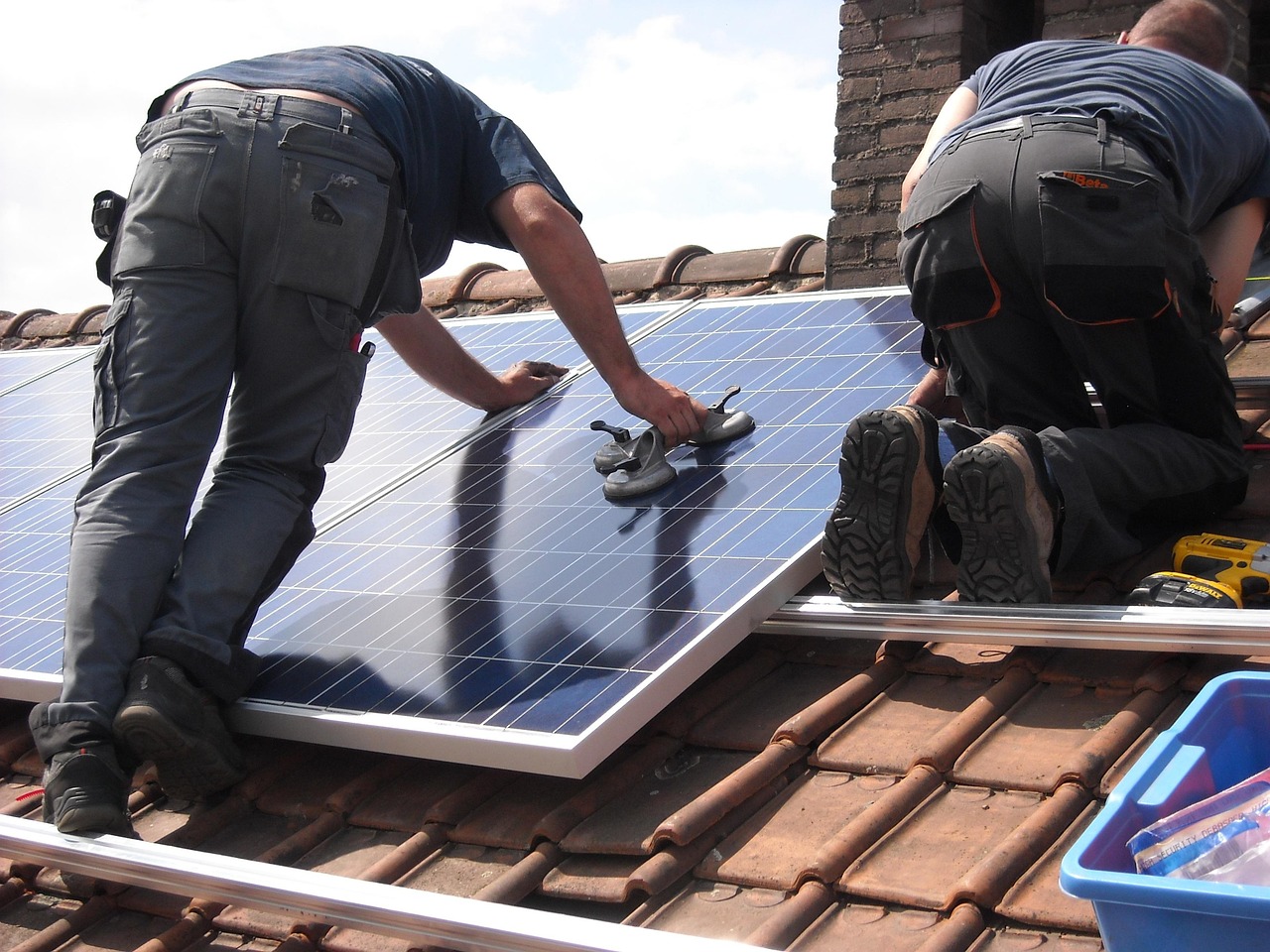


⚡ TL;DR: Spot warning signs like soft spots, warped boards, sagging surfaces, and water pooling on your Long Beach roof deck to plan timely replacement amid coastal deterioration.
📋 What You’ll Learn
In this Long Beach roof deck replacement guide, you’ll discover how coastal conditions speed up deterioration, spot key warning signs early, avoid leaks and safety risks, and learn from real local case studies.
- Grasp why coastal climate hastens decay as salt air, moisture, and UV exposure rot plywood faster in Long Beach, demanding proactive inspections for longevity.
- Spot soft spots and sponginess first to catch early rot underfoot, preventing falls, structural weakness, and water intrusion before major deck failure occurs.
- Identify warping, cracks, and sagging indicating hidden damage from weathering, so you can schedule timely replacement and safeguard your home’s value.
- Recognize water pooling and mold risks plus real rescue stories, empowering homeowners to act swiftly and restore safe, durable outdoor spaces.
📖 Reading time: 7 min
✍️ Author expertise: Long Beach roofing contractor with 15+ years replacing coastal roof decks from daily field experience.
You're lounging on your Long Beach roof deck, sipping a cold one with ocean breezes rolling in, when a soft crack echoes underfoot. That tiny noise? It's your first clue your prized outdoor spot is rotting from the inside out. In coastal spots like ours, salt air and relentless sun chew through decks faster than you think.
Ignore it, and you're staring down a full roof deck replacement—thousands in repairs, plus the headache of permits and downtime during peak beach season. Long Beach homeowners see this nightmare yearly: warped boards, pooling water, and sagging spots that scream danger. We've fixed hundreds, and the worst cases always start with overlooked warnings.
Spot these signs early, and you dodge the bullet. Stick around as we break down the top red flags demanding immediate roof deck replacement in Long Beach.
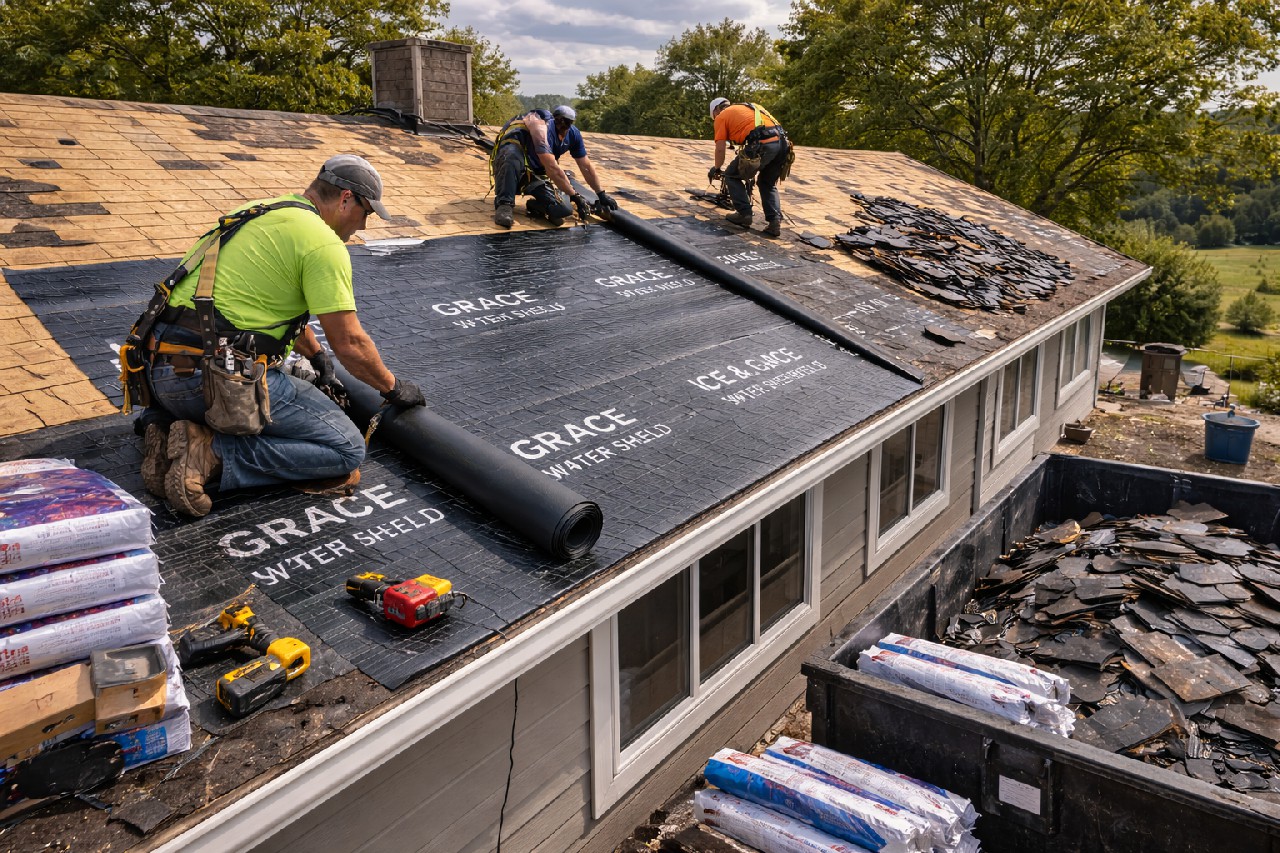
Why Long Beach's Coastal Climate Accelerates Roof Deck Deterioration
Picture this: salty ocean air slamming your roof deck every single day. That salt spray from the Pacific doesn't just mist your skin. It seeps into wood fibers, pulling moisture along for the ride and kickstarting rot before you blink.
Then there's the sun. Long Beach blasts decks with intense UV rays year-round. These rays break down sealants and paints fast, leaving bare wood exposed to whatever Mother Nature throws next.
Key Climate Culprits Speeding Up the Damage
- High humidity and fog: Traps moisture overnight, swelling boards and weakening joints.
- Occasional heavy rains: Pound surfaces, finding cracks to infiltrate and pool underneath.
- Wind-driven salt: Corrodes fasteners, loosening everything over time.
No wonder decks here last half as long as inland ones. Spot the decay early, or pay big later.
Warning Sign #1: Soft Spots and Sponginess Underfoot
Step on your roof deck and feel that give? Like walking on a waterbed? That's wood fibers breaking down from trapped moisture.
In Long Beach, salty ocean air mixes with fog, sneaking under boards and rotting them from below. Ignore this, and one wrong step sends you crashing through.
Quick Checks for Soft Spots
- Press down firmly with your heel in several spots. Does it bounce back slowly?
- Probe edges with a screwdriver. Slides in easy? Rot's already deep.
- Listen for creaks or dull thuds, not solid knocks.
We've torn up decks where spongy spots hid fist-sized holes underneath. Call us before a family barbecue turns into an ER visit. Early fix? Often just targeted board swaps, saving you big bucks.
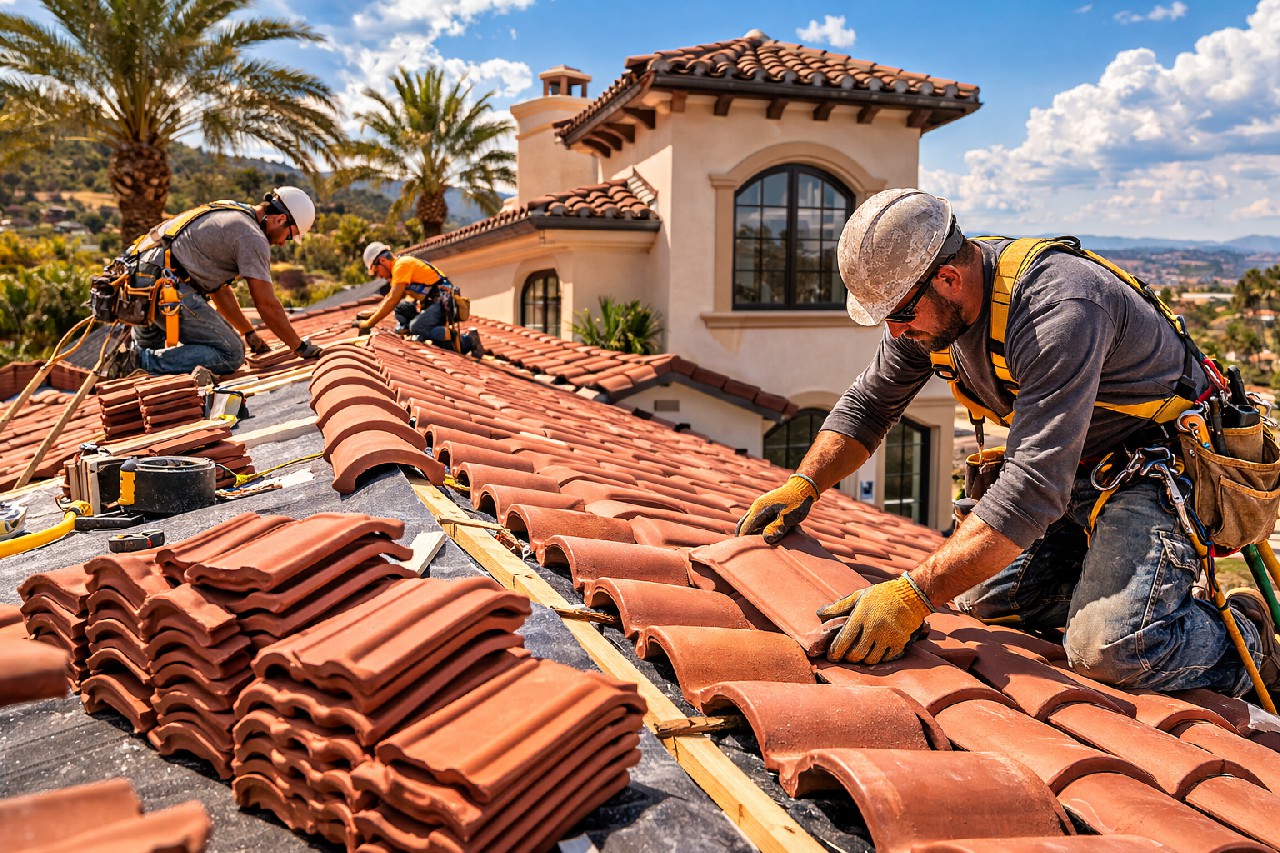
Warning Sign #2: Warped Boards and Visible Cracks
Step onto your Long Beach roof deck after a salty fog rolls in, and notice boards twisting like pretzels? That's no quirk. Warped boards scream moisture invasion, where ocean humidity soaks wood fibers until they swell, shrink, and buckle under the sun's brutal heat.
Cracks aren't just ugly—they're highways for water to sneak in. Run your hand along the grain. Feel splits wider than a fingernail? Those gaps let salt-laden rain pool and erode from within, turning solid timber into brittle kindling.
Quick Checks for Warped Boards and Cracks
- Sight test: Boards bowing up or cupping like a bad taco? Red flag.
- Touch test: Gaps you can slip a dime into mean trouble brewing fast.
- Sound test: Tap with a hammer. Dull thud over a crack signals rot nearby.
Spot these on your deck? Don't patch. Call pros now. In Long Beach, ignoring warps leads straight to total collapse during that next big swell.
Warning Sign #4: Pooling Water, Leaks, and Mold Growth
Water sitting on your roof deck after a sprinkle? That's no small issue in Long Beach. Our foggy mornings and occasional downpours turn minor slopes into sneaky traps, letting moisture seep into wood fibers.
Why It Happens Fast Here
Salt-laden air from the Pacific accelerates rot. Boards swell, crack, then hold puddles like a bad sponge. Check after rain: if water pools longer than 30 minutes, your deck's drainage is shot.
- Look for dark stains under puddles – early rot.
- Sniff for musty odors? Mold's crashing the party.
- Probe edges with a screwdriver; easy penetration means deep damage.
Leaks punch through to your living space below, ruining ceilings and inviting black mold that hits lungs hard. We've ripped out decks where families coughed through nights, unaware the source sat overhead. Spot standing water now, call pros before it spreads.
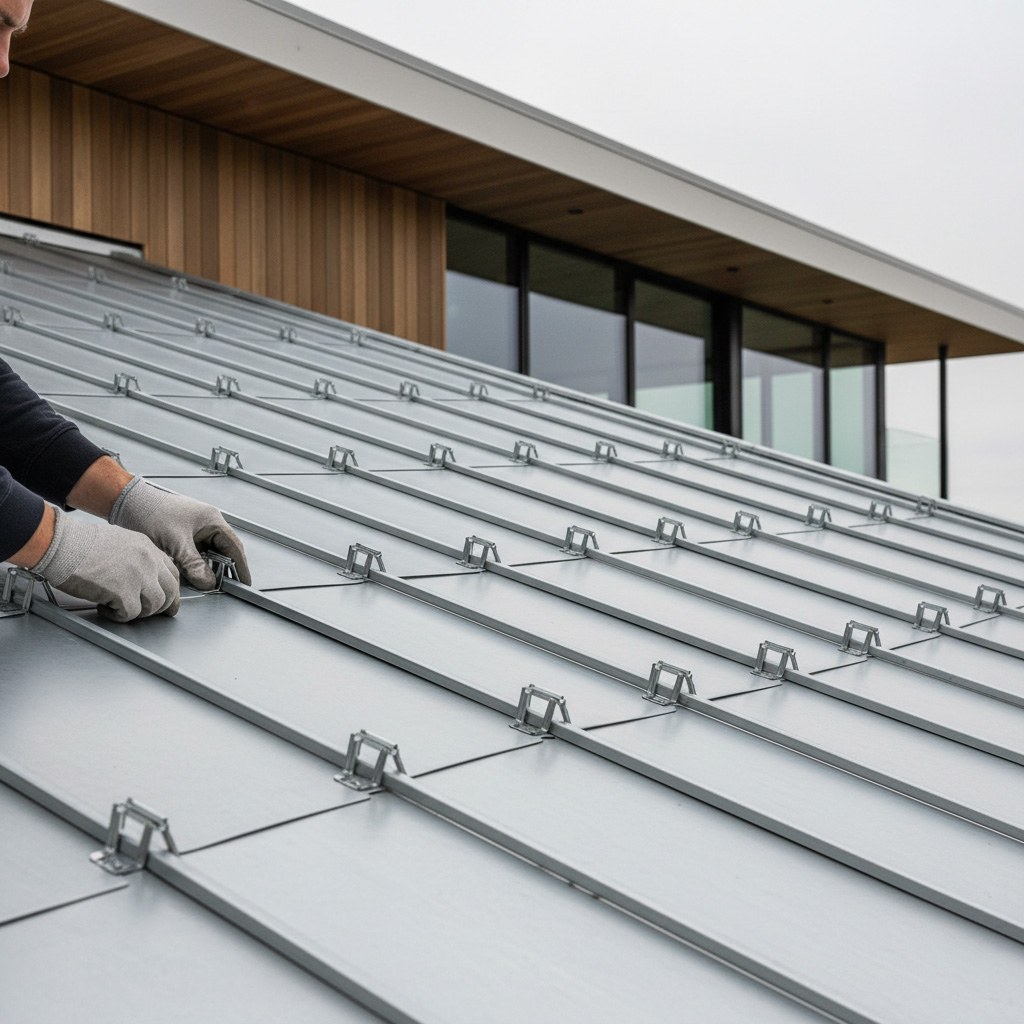
Warning Sign #5: Pooling Water, Leaks, and Mold Growth
Water sitting on your roof deck after a sprinkle? That's no minor glitch. In Long Beach's foggy mornings and sudden showers, poor drainage turns your deck into a shallow pond, rotting wood from the top down.
Spot These Dead Giveaways Fast
- Standing water that doesn't drain within minutes.
- Dark stains or discoloration spreading under railings.
- Leaks dripping into your home below, staining ceilings.
Mold loves our humid coastal air. Once it creeps in, black spots and musty smells signal deep trouble. Breathe that in during family barbecues? Your health takes a hit alongside the structure.
Check seams around flashing and vents right now. Ignore this, and leaks punch through to your living space. Call pros before mold claims your deck and your wallet.
Case Study: Rescuing a Long Beach Family's Failing Roof Deck
Meet the Garcias, a family of four in Belmont Shore. Their roof deck was their go-to spot for sunset barbecues and kids' playtime. But salt air and winter rains turned it into a hazard—soft spots everywhere, boards warping like pretzels, and water pooling after every drizzle.
The Breaking Point
One afternoon, their teen stepped on a sagging board that gave way. No major injuries, but it scared them straight. They called us after spotting mold creeping up the railings and leaks staining the ceiling below. Inspection confirmed it: full deterioration from Long Beach's coastal punch.
Our Roof Deck Replacement Turnaround
We ripped out the mess in two days flat. Installed marine-grade composite decking that laughs at salt and UV rays. Added proper drainage and sealed every seam. Total cost? Half what a total rebuild would run elsewhere.
- Deck back up in under a week—no beach season blackout.
- 20-year warranty that actually means something.
- Family now hosts parties without a worry.
Result: A bombproof outdoor oasis. The Garcias rave about it, and their neighbors are next in line.
Final Words
Don't let a tiny soft spot turn into a total collapse. Long Beach decks fight salt, sun, and storms harder than most. Spot one warning sign? Call in the pros before it costs you big.
We've saved hundreds of decks just like yours. Quick inspections catch problems early, slashing repair bills by half. Skip the guesswork—grab a free quote today.
- Text us a photo of your deck for instant advice.
- Schedule a no-obligation walkthrough.
- Explore full fixes via our Roof Deck Replacement page.
Act now. Your safe, solid deck awaits.
People Also Ask
What are the main warning signs that a roof deck needs replacement in Long Beach?
Key indicators include soft spots underfoot, warped or cracked boards, sagging surfaces, and pooling water with mold growth. These issues often stem from Long Beach's salty air and moisture, accelerating wood rot. Inspect annually and call a local roofing expert if you spot any of these signs to prevent costly damage.
Why does Long Beach's coastal climate speed up roof deck deterioration?
The area's high humidity, salt spray from the ocean, and frequent fog create a perfect environment for moisture buildup and corrosion. This leads to faster wood rot and structural weakening compared to inland areas. Protective measures like proper ventilation and marine-grade materials can extend deck life, but replacement is often needed every 10-15 years.
How can I identify soft spots or sponginess in my Long Beach roof deck?
Walk across the deck and press down; if it feels bouncy or your foot sinks in, it's a sign of internal rot from moisture infiltration. In Long Beach, this is common due to coastal rains and poor drainage. Avoid walking on affected areas and contact a professional roofer immediately to assess and plan replacement.
What causes sagging or bouncing on a Long Beach roof deck?
Sagging occurs when joists or plywood weaken from prolonged exposure to humidity and salt, common in Long Beach's marine climate. Overloading with heavy furniture or lack of maintenance exacerbates the issue. A full inspection by a certified Long Beach roofing company can confirm if replacement is necessary to restore safety.
When is it time to replace a roof deck in Long Beach?
Replace if you notice multiple warning signs like cracks, leaks, or mold, especially after severe weather events. In Long Beach, decks typically last 10-20 years under coastal stress, but early intervention prevents leaks into your home. Schedule a free consultation with a local specialist to evaluate and avoid emergency repairs.

Long Beach Roofing provides roofing services tailored to the Long Beach, CA area. With years of experience in installations, repairs, and maintenance, the team addresses residential and commercial needs. Locally focused, they navigate the region's coastal climate challenges.
Need Roofing?
Fast roof repairs and installations in Long Beach, CA and nearby areas (90802, 90803, 90804, 90805, 90806), delivering leak-free homes and storm protection in days.
Get Roof Estimate