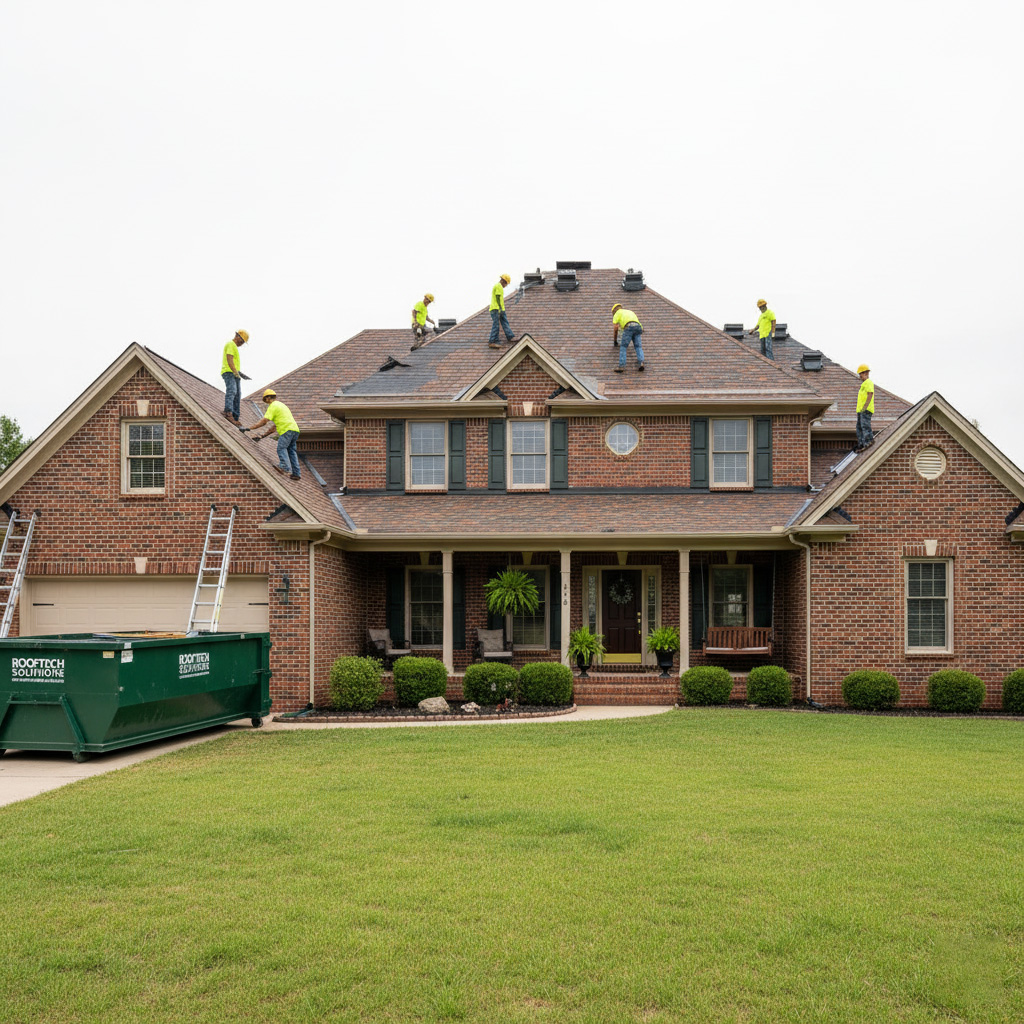


⚡ TL;DR: Discover common roof inspection mistakes in Long Beach, CA, like ignoring salt air corrosion and attic checks, and learn how to spot them for a leak-free home.
📋 What You’ll Learn
In this guide to avoiding roof inspection mistakes in Long Beach, you’ll uncover common pitfalls like shingle wear, salt corrosion, and overlooked vulnerabilities unique to coastal California homes.
- Spot curled or cracked shingles accurately to distinguish normal wear from serious damage that could lead to costly leaks before they worsen in humid conditions.
- Detect salt air corrosion effects from ocean breezes that erode roofs faster, protecting your investment with targeted checks for Long Beach's marine environment.
- Master attic and underlayment inspections to reveal hidden moisture and structural issues often missed, preventing mold and rot in Southern California attics.
- Examine flashing, vents, and chimneys thoroughly for vulnerabilities that cause leaks during storms, ensuring comprehensive protection against wind and rain exposure.
- Identify UV fade and wind uplift signs specific to local weather, avoiding delayed repairs through proactive, climate-tailored inspection strategies.
📖 Reading time: 7 min
✍️ Author expertise: Long Beach roofing pro with 15+ years of field inspections on coastal homes.
You're up on your Long Beach roof under that relentless Southern California sun, squinting at a few shingles that look a bit curled. You shrug it off, climb down, and pat yourself on the back for the "inspection." Weeks later, a sneaky leak turns your attic into a swimming pool and your repair bill into a nightmare.
Here in Long Beach, salt air from the ocean and wild weather swings chew through roofs faster than you think. Homeowners skip pro checks or botch DIY ones, ignoring hidden damage that explodes into thousands in fixes.
Discover the deadliest roof inspection mistakes Long Beach folks make, and exactly how to sidestep them for a bulletproof roof that lasts.
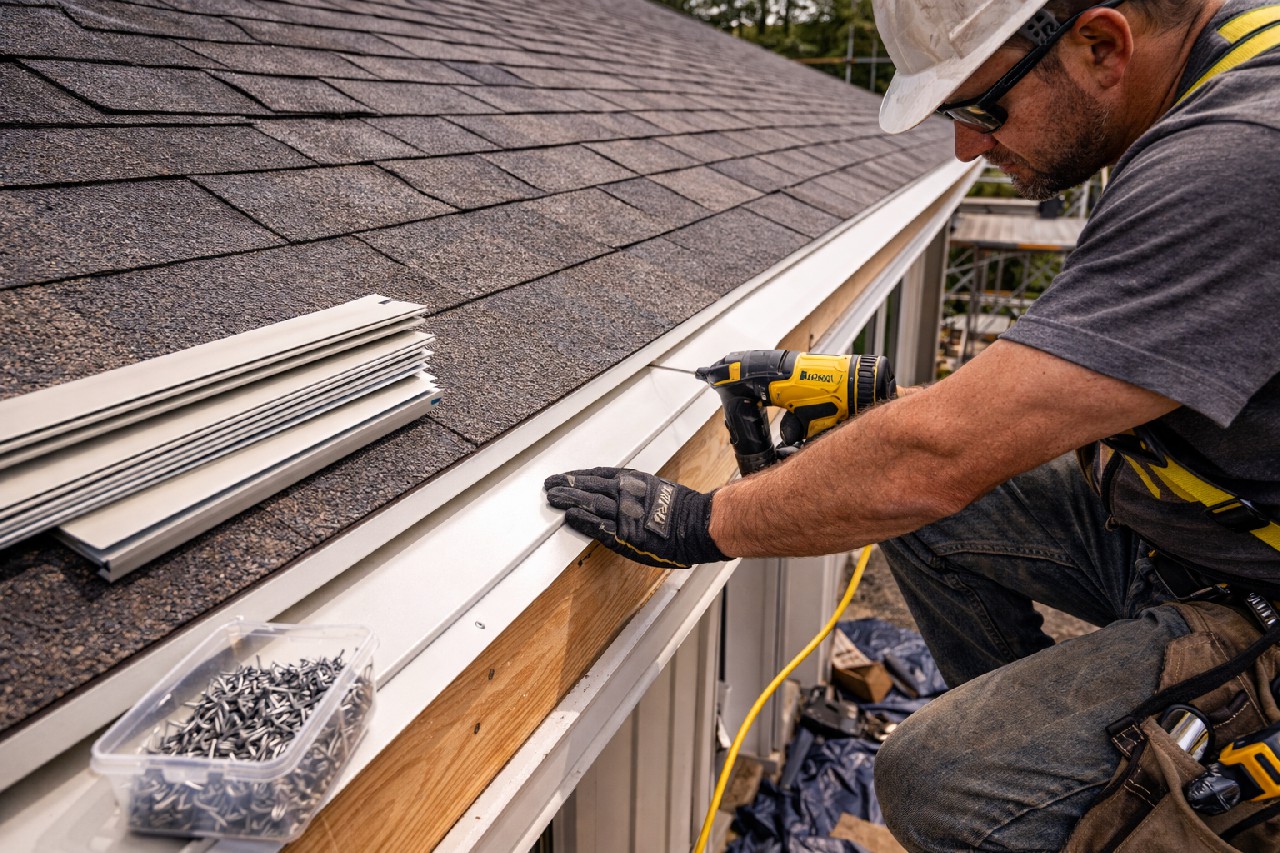
Roof Inspection Mistake #1: Dismissing Curled or Cracked Shingles as Normal Wear
Curled shingles lift at the edges like they're trying to peel off. Cracked ones split like dry earth in summer. You see them and think, "Just age catching up." Wrong move.
In Long Beach, that ocean wind and pounding sun speed this up. Those "normal" signs scream early failure. Ignore them, and water sneaks under, rotting your decking fast.
Spot these red flags right away:
- Edges curling up or down more than a quarter-inch.
- Cracks wider than a pencil line.
- Granules piling up in gutters like black sand.
Grab binoculars from the ground first. Never walk up there unless you're steady. Call pros if anything looks off - we catch these killers before they bite.
Roof Inspection Mistake #2: Underestimating Salt Air Corrosion from Long Beach's Ocean Breeze
That salty ocean breeze rolling in from Long Beach hits your roof like a slow poison. Homeowners glance at metal flashing or gutters and think, "Looks fine." But salt particles stick, eat away at nails, seams, and coatings over time.
Corrosion starts hidden. It weakens your roof's armor before you spot rust spots or pitting. Ignore it, and leaks follow fast during the next rain.
Spot Salt Damage Early – Check These:
- White crust on nails or vents: Salt buildup screams trouble.
- Pitted or flaky metal around chimney or skylights.
- Discolored shingles near the edge, where breeze hits hardest.
Grab a flashlight. Probe suspect areas gently. If anything feels soft or crumbles, call pros now. A quick rinse with fresh water helps, but only annual pro inspections catch the deep rot before it spreads.
Roof Inspection Mistake #3: Skipping the Critical Attic and Underlayment Check
Picture this: your roof shingles look fine from the street. But up in the attic? Rotting beams and soaked insulation scream trouble. Long Beach humidity turns small issues into disasters fast.
Attic Red Flags You Can't Ignore
- Dark stains on rafters mean leaks you never saw outside.
- Sagging spots signal structural weakness from years of hidden water.
- Mold growth? That's your cue for immediate pro help.
Grab a flashlight. Poke around. Skip this, and you're blind to the real damage.
Underlayment hides under shingles like a sneaky thief. In our salty coastal air, it cracks and peels, letting water sneak through. Check for tears or bubbles; replace it before it fails completely.
Roof Inspection Mistake #4: Overlooking Flashing, Vents, and Chimney Vulnerabilities
Flashing around your chimney or vents seals out water. In Long Beach, ocean winds whip salt spray right into those seams, loosening seals fast. Skip checking them, and leaks sneak in during the next rainstorm.
Spot Trouble in These Key Spots
- Cracked or rusted flashing: Pry up a shingle edge. Look for gaps wider than a credit card.
- Vent boots splitting at the base: Feel for soft spots. Push gently; mushy means rot below.
- Chimney mortar crumbling: Salt air eats it alive. Tap bricks; loose ones signal big repairs ahead.
DIY folks climb up, glance once, and miss the rust creeping under flashing. Pros use ladders and mirrors to peek everywhere. That extra five minutes saves you from attic floods and mold parties.
Wind from the harbor lifts shingles near vents too. Check for uplift marks or missing nails. Tighten or replace now, before a gale rips your roof wide open.
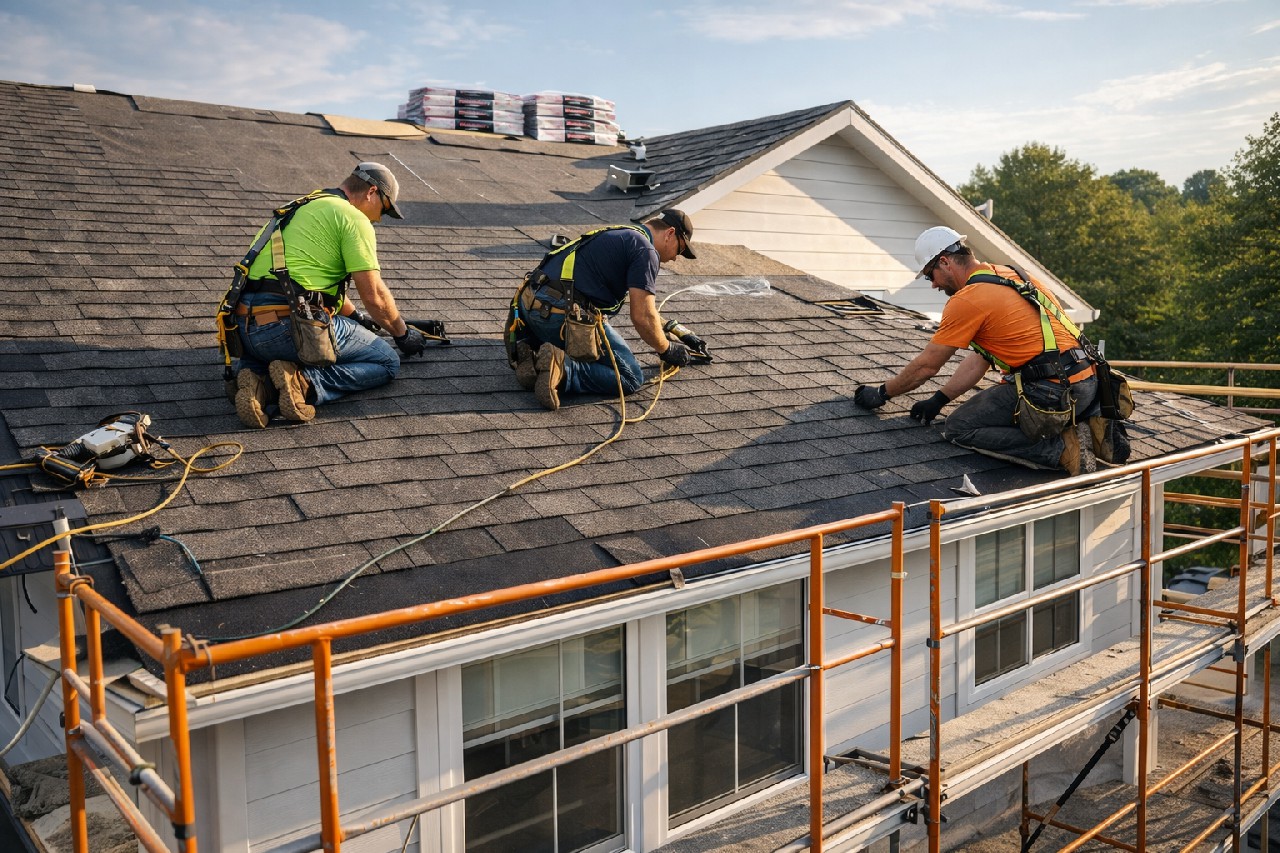
Long Beach Case Study: How We Caught Hidden Damage Before a Major Leak Struck
Picture this: Sarah, a busy mom in Naples Island, noticed a few curled shingles after a windy night. She climbed up, snapped some pics, and figured it was no big deal. Then she called us when water stains showed up inside.
Our crew hit her roof fast. We spotted the real culprits right away.
- Salt-corroded flashing around the chimney, eating away like acid from ocean air.
- Cracked underlayment in the attic, hidden under loose insulation.
- Wind-uplifted edges letting moisture sneak in during those foggy mornings.
We fixed it all before the next storm hit. Sarah dodged a $15,000 disaster. Her roof? Solid for another decade now.
One pro inspection changed everything. Skip the DIY guesswork. Get eyes on it today.
Roof Inspection Mistake #5: Ignoring Weather-Specific Signs Like UV Fade and Wind Uplift
Long Beach roofs take a beating from nonstop sun and gusty coastal winds. Homeowners glance up, see faded colors or loose edges, and think it's just cosmetic. That oversight lets small issues snowball into structural failures.
UV Fade: The Silent Killer from SoCal Sun
Intense UV rays bake shingles brittle over time. Check for chalky residue when you rub a shingle - that's your roof screaming for help.
- Granules missing from the surface? UV stripping them away fast.
- Colors turned dull gray? Expect cracks and leaks soon.
- Soft spots underfoot? The asphalt's breaking down.
Grab a flashlight. Probe edges for fragility. Catch this early, and you dodge a full replacement.
Wind uplift hits harder here with ocean gusts. Shingles lifting at corners mean nails popped loose or seals failed. Ignore it, and the next storm rips sections clean off.
Walk the roof ridge to gutter line. Tug gently on edges. Any give signals trouble brewing.
Final Words
Don't let these inspection blunders turn your Long Beach roof into a money pit. Spot the curled shingles. Catch the salt corrosion early.
Grab a pro inspection now. Skip the DIY disasters. Your wallet - and peace of mind - will thank you.
Take These Steps Today
- Schedule a Roof Inspection with our team before the next storm hits.
- Check your attic vents for hidden moisture this weekend.
- Call us at [phone number] for a free quote - spots fill fast in peak season.
One overlooked crack today means thousands tomorrow. Act smart. Protect your home.
People Also Ask
How often should I get my roof inspected in Long Beach?
In Long Beach's coastal climate, schedule professional roof inspections at least twice a year—spring and fall—to catch issues early from salt air and wind. Annual checks are ideal after major storms, as they prevent small problems like corrosion from escalating into costly leaks. Homeowners who follow this routine often avoid emergency repairs.
What causes shingles to curl or crack in Long Beach roofs?
Curled or cracked shingles often result from intense UV exposure, high humidity, and thermal expansion in Long Beach's sunny weather. Dismissing these as normal wear ignores underlying issues like poor ventilation or aging materials that lead to premature failure. A thorough inspection identifies these early to extend your roof's lifespan.
How does salt air from the ocean damage Long Beach roofs?
Salt-laden ocean breezes in Long Beach accelerate corrosion on metal components and degrade shingles over time. This underestimated factor causes pitting on flashing and faster granule loss, weakening the entire roof system. Regular inspections reveal salt buildup before it leads to leaks or structural issues.
Why is checking the attic crucial during a roof inspection?
The attic reveals hidden problems like inadequate ventilation, moisture stains, or underlayment failures not visible from the exterior. In Long Beach homes, poor airflow exacerbates heat buildup and mold growth from humid air. Skipping this step misses up to 50% of potential roof issues.
What are common signs of wind uplift damage on Long Beach roofs?
Wind uplift from coastal gusts loosens shingles, creates gaps in flashing, and damages vents in Long Beach. Look for lifted edges, missing granules, or creaking during breezy conditions as early warnings. Professional inspections assess these vulnerabilities to prevent blow-offs during storms.

Long Beach Roofing provides expert roofing services for homes and businesses throughout Long Beach, CA. With extensive experience in installations, repairs, and maintenance, the team addresses local weather challenges effectively. Deeply rooted in the community, Long Beach Roofing delivers dependable craftsmanship to area property owners.
Need Roofing?
Fast roof repairs and installations in Long Beach, CA and nearby areas (90802, 90803, 90804, 90805, 90806), delivering leak-free homes and storm protection in days.
Get Roof Estimate