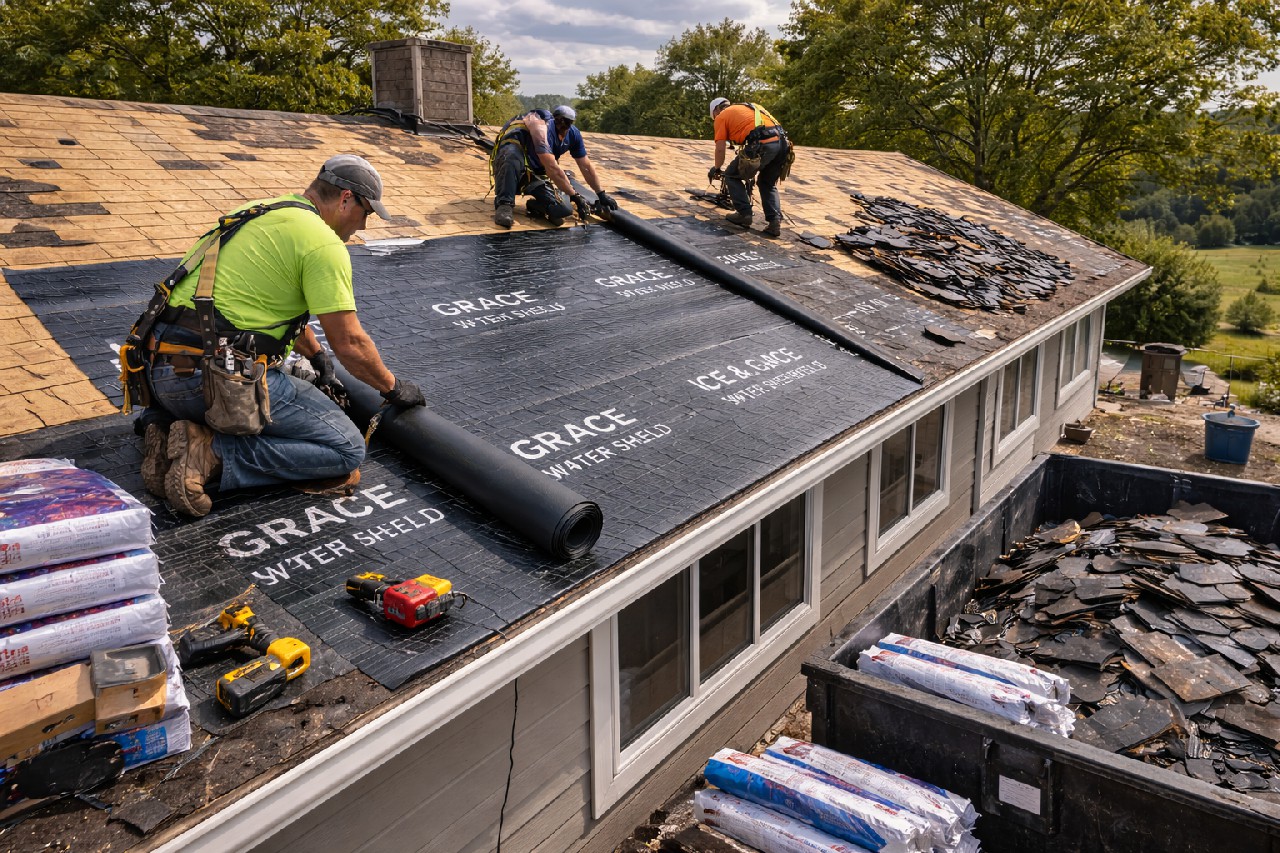


⚡ TL;DR: Learn tile roof installation essentials for Long Beach, CA, including coastal tile selection, site prep, step-by-step techniques, and strategies for salt air, wind, and earthquake resistance.
📋 What You’ll Learn
In this comprehensive guide to tile roof installation in Long Beach, you’ll master climate-specific choices, prep essentials, step-by-step techniques, local challenges, and pro tips for lasting results.
- Select optimal tiles for coastal climates by matching clay or concrete profiles to Long Beach's salt air, humidity, winds, and seismic demands for superior durability and aesthetics.
- Master pre-installation site prep including thorough assessments, underlayment selection, and structural checks to prevent leaks, ensure stability, and comply with local building codes.
- Follow proven step-by-step installation techniques for precise layout, fastening, flashing, and ridge capping that deliver weather-tight, earthquake-resistant tile roofs every time.
- Overcome Long Beach-specific challenges like corrosion from ocean spray, high winds, and quakes using reinforced methods, sealants, and ties for resilient performance.
- Gain tools, materials, and insider tips plus a bungalow case study to execute flawless projects, avoid pitfalls, and achieve premium tile roofing success locally.
📖 Reading time: 7 min
✍️ Author expertise: Long Beach roofing pro with 20 years installing tile roofs in coastal and seismic conditions.
Long Beach summers hit like a freight train, scorching roofs until they buckle and leak. You've seen it: asphalt shingles curling up, metal panels warping under that coastal blaze. But tile roofs? They laugh it off, standing strong for decades if installed right.
Here's the kicker: most "pros" botch tile jobs with shortcuts that doom you to early repairs and sky-high bills. In Long Beach, where salt air and earthquakes add extra punches, one wrong move spells disaster.
This guide cuts through the BS, handing you the exact blueprint for a bulletproof tile roof installation that slashes energy costs and boosts your home's value.
Ready to roof like a boss? Let's dive into the steps that separate the survivors from the suckers.
Choosing the Right Tile Type for Long Beach's Coastal Climate
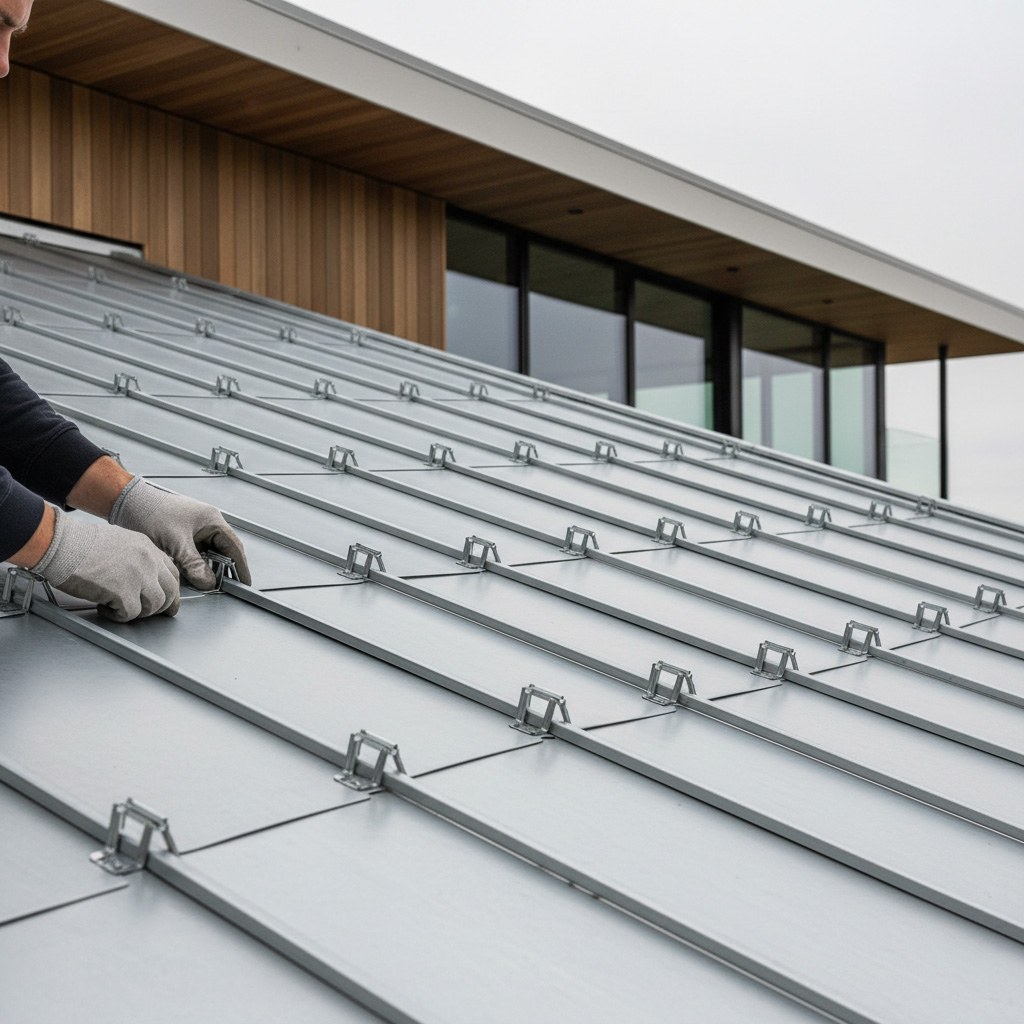
Long Beach throws heat, salt spray, and shakes at your roof daily. Pick the wrong tile, and it cracks, fades, or flies off in a gust. Clay tiles rule here for a reason—they wick moisture, shrug off UV rays, and last 50+ years without batting an eye.
Clay vs. Concrete: Head-to-Head for Coastal Warriors
- Clay: Baked from natural earth, super lightweight (5-6 lbs per sq ft), earthquake-friendly. Handles salt corrosion like a champ but costs more upfront.
- Concrete: Poured tough, mimics clay looks at half the price (8-10 lbs per sq ft). Solid wind resistance, but watch for heavier loads stressing older frames.
- Slate or synthetic? Skip 'em. Too heavy for seismic zones, pricey repairs when they chip from beach winds.
Match your pick to the roof pitch and budget. Steep slopes? Go clay for grip. Flat-ish? Concrete locks in tight. Test samples under that brutal sun first—your roof's future self will thank you.
Pre-Installation Prep: Site Assessment and Underlayment Essentials
Skip this step, and your tile roof crumbles faster than a bad bet in Vegas. Start with a brutal site assessment. Long Beach homes take hits from quakes and salty winds, so inspect every inch before tiles touch the deck.
Site Assessment Checklist: Don't Miss These Red Flags
- Rafters and trusses: Check for rot or cracks. Coastal moisture loves wood weaknesses.
- Roof decking: Plywood must be at least 5/8-inch thick. Thin stuff bows under heavy tiles.
- Pitch and drainage: Minimum 4:12 slope for tiles. Flat roofs? Add cricket valleys now.
- Chimneys and vents: Seal flashings tight. Earthquakes loosen them quick.
Grab a level, moisture meter, and flashlight. Document everything with photos. This saves you thousands in callbacks.
Underlayment: Your Roof's Secret Armor
Asphalt felt? Trash it for Long Beach. Go synthetic underlayment or self-adhering membranes. They breathe, block salt spray, and grip tiles like glue.
Layer it right: Double up in valleys and eaves with ice-and-water shield. Nails? Use plastic caps to fight wind uplift. One leak here, and tiles shift in the next gale.
Pro move: Test for proper overlap - 6 inches horizontal, 12 vertical. Dry-fit a section first. Your roof thanks you later.
Step-by-Step Tile Roof Installation Techniques
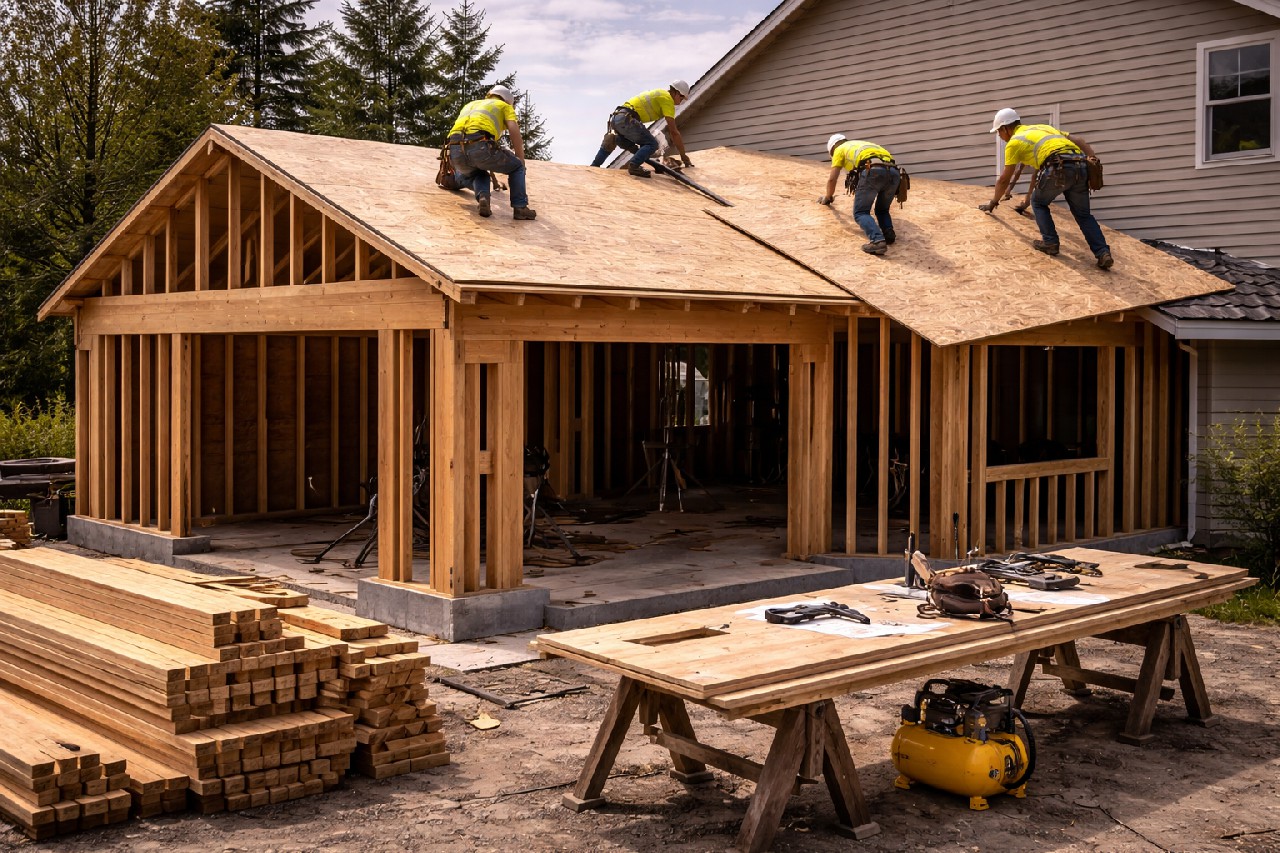
Grab your chalk line and level. First job: snap precise layout lines across the roof deck. Miss this, and your tiles wander like drunks, creating weak spots that leak fast.
1. Nail Down the Underlayment Like Your House Depends on It
Roll out synthetic underlayment over the entire deck. Overlap seams by six inches, seal with tape. This barrier fights Long Beach's sneaky moisture like a champ.
2. Lay the Starter Course – No Skimping Here
- Start at the eaves with full tiles, upside down, exposing the cut edge up.
- Secure with two nails per tile, six inches from the edge.
- Keep that first row dead straight. Crooked starters? Your whole roof goes to hell.
Pro move: use tile spacers for even gaps. Breathe easy – this base locks in decades of durability.
3. Field Tiles: The Workhorse Rows
Work up in diagonal rows from the starter. Nestle each tile into the one below, nailing through the headlap only. Hit valleys with woven or closed-cut methods to dodge water highways.
Alternate colors randomly for that custom Long Beach vibe. Check pitch every third row. Done right, wind gusts off the harbor bounce right off.
4. Cap It Off with Ridge and Hip Tiles
- Pre-cut ridge pieces to fit, mortar underneath.
- Screw through the center, not nails – earthquakes hate nails.
Last row seals the deal. Step back, inspect. Bulletproof? You bet.
Battling Long Beach Challenges: Salt Air, Earthquakes, and Wind Resistance
Long Beach salt air eats metal like candy. It corrodes nails and underlayment fast. Pick galvanized steel fasteners and high-calcium clay tiles that shrug off the brine.
Salt Air Showdown
Seal every joint with marine-grade sealant. Skip cheap asphalt felt; go for synthetic underlayments that breathe yet block salt spray. Test it: spray salt water on samples before buying.
- Clay or concrete tiles with low porosity win here.
- Annual rinse-down keeps buildup at bay.
- Avoid aluminum flashing; it pits quick.
Earthquake-Proofing Your Tile Roof
Quakes rattle Long Beach often. Use seismic clips on every tile edge to let it flex without cracking. Double-nail valleys and hips for extra grip.
Install foam pads under battens. They absorb shocks. Local code demands it, but smart guys do it anyway.
Wind Resistance Warriors
Gusts off the Pacific hit 60 mph easy. Lock tiles with interlocking profiles and hurricane straps. Over-nail ridges by 50%.
Shorten overhangs if possible. Add weighted starter courses. Your roof stays put when neighbors' fly off.
Tools, Materials, and Pro Tips for Flawless Execution
Gear Up with the Right Tools
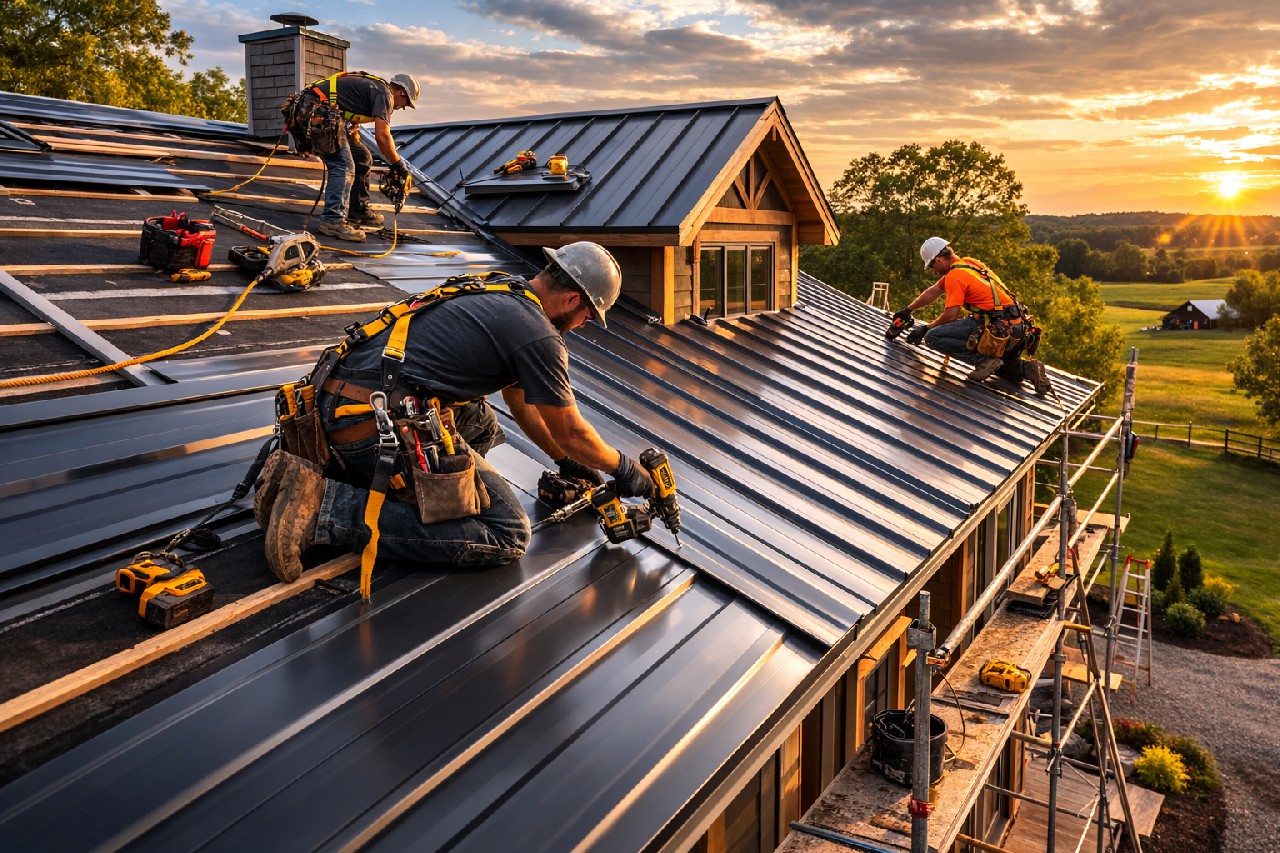
Skip the cheap stuff. Grab a wet tile saw for clean cuts on those heavy clay or concrete tiles. No jagged edges means no leaks later.
A magnetic level keeps everything plumb on uneven Long Beach lots. Add chalk lines, safety harnesses, and pneumatic nailers rated for tile weights.
- Hammer trowel for mortar beds if you're going traditional.
- Tile nippers for tricky hips and valleys.
- Extension ladders with standoffs to hug your eaves safely.
Materials That Beat the Coastal Punch
Clay tiles shine here, but pick S-curve or flat barrel styles with high-fired ratings for salt spray resistance. Concrete works too if you want lighter loads on older frames.
Underlayment? Ditch felt. Go synthetic with self-adhering ice-and-water shield on eaves and valleys. Stainless steel screws or corrosion-resistant nails only. No shortcuts.
Pro Tips to Nail It Every Time
Pre-sort tiles by color batch. Variations pop under that relentless sun. Test-fit a full square before committing.
Account for expansion gaps - Long Beach heat swings demand 1/8-inch joints. Flash every penetration twice. And always slope valleys at least 2:12.
Case Study: Reviving a Long Beach Bungalow with Premium Tile Roofing
Picture this: a 1920s bungalow in Belmont Shore, roof sagging under years of salt spray and seismic shakes. The owners called us after a nasty leak during last winter's storm flooded their living room. Asphalt shingles had given up, curling and cracking from the relentless coastal sun.
The Fix: Concrete Tile Overhaul
We started with a full tear-off, exposing rotten underlayment riddled with dry rot. Swapped it for synthetic underlayment rated for high wind and quake zones. Then laid premium concrete barrel tiles – perfect for Long Beach's humid blasts – with every hip and ridge capped tight against wind uplift.
- Used earthquake clips every 24 inches for seismic flex.
- Added ridge vents to dump hot air, cutting attic temps by 30 degrees.
- Finished with color-matched mortar for that seamless Spanish revival look.
Six months post-install, no leaks. Energy bills dropped 25% thanks to the tiles' natural insulation. Home value? Appraised 15% higher, and the neighbors keep asking for our card.
Final Words
Tile roofs in Long Beach aren't just a smart pick. They pay off big time. Slash your cooling bills by up to 30% and watch your property value climb.
Skip the amateurs. Hire crews who nail every step from assessment to finish. One slip-up here means leaks tomorrow.
- Double-check underlayment quality before tiles go on.
- Test wind uplift resistance post-install.
- Schedule annual inspections to catch salt corrosion early.
Dig deeper into pro techniques at our Tile Roof Installation hub. Your roof's future starts now. Call today and lock in that unbreakable shield.
People Also Ask
How much does tile roof installation cost in Long Beach, CA?
Tile roof installation in Long Beach typically ranges from $15,000 to $40,000 for an average-sized home, depending on tile type, roof size, and labor complexity. Factors like coastal reinforcements for wind and salt resistance can add 10-20% to the cost. For a precise quote, consult local experts who factor in Long Beach's unique climate challenges.
What is the best tile roof material for Long Beach's coastal climate?
Clay or concrete tiles are ideal for Long Beach due to their durability against salt air, high winds, and earthquakes. Concrete tiles offer better impact resistance, while clay provides a classic aesthetic with excellent heat reflection. Both outperform asphalt in longevity, lasting 50+ years with proper installation.
How long does it take to install a tile roof in Long Beach?
A standard tile roof installation in Long Beach takes 5-10 days for a 2,000 sq ft home, influenced by weather delays and seismic retrofitting needs. Prep work like underlayment and flashing adds time, but experienced crews streamline the process. Complex pitches or removals can extend it to two weeks.
Do I need a permit for tile roof installation in Long Beach?
Yes, Long Beach requires a building permit for all tile roof installations to ensure compliance with seismic, wind, and coastal codes. Submit plans through the city's Development Services Bureau, including engineering for earthquake resistance. Hiring a licensed contractor simplifies the process and avoids fines.
How do you prepare a roof for tile installation in coastal areas like Long Beach?
Start with a thorough site assessment for structural integrity, clearing debris, and installing high-quality synthetic underlayment resistant to salt corrosion. Reinforce eaves and valleys with metal flashing, and add seismic clips for earthquake-prone areas. Proper prep ensures longevity against Long Beach's humid, windy conditions.

Long Beach Roofing delivers expert roofing services to homeowners and businesses in Long Beach, CA. With years of experience, their team handles installations, repairs, and maintenance tailored to local coastal conditions. They prioritize craftsmanship that stands up to the area's unique climate challenges.
Need Roofing?
Fast roof repairs and installations in Long Beach, CA and nearby areas (90802, 90803, 90804, 90805, 90806), delivering leak-free homes and storm protection in days.
Get Roof Estimate